Be yourself; Everyone else is already taken.
— Oscar Wilde.
This is the first post on my new blog. I’m just getting this new blog going, so stay tuned for more. Subscribe below to get notified when I post new updates.
Be yourself; Everyone else is already taken.
— Oscar Wilde.
This is the first post on my new blog. I’m just getting this new blog going, so stay tuned for more. Subscribe below to get notified when I post new updates.
Students who believe that they can learn, will learn and students who believe that they can not learn, will not. Within the past few years the growth mindset model has gained a lot of momentum. The main underlying belief of growth mindset is that students who believe that they can learn will be able to apply themselves to the best of their ability within the classroom and real-world situations and will grow. Students with a sort of fixed mindset, believe that their growth is fixed. That people know as much as they know, and they cannot know or learn anymore than that. Now, as an educator, a growth mindset seams more appealing to foster within the classroom. Being as there are a lot of cool things that we can teach to students, as long as they are willing and believe that they are capable of learning. If students have a fixed mindset, our job would be very boring because if students do not believe in themselves then it is hard to teach them. Not saying that it is impossible, because it is not. However, students with a fixed mindset tend to have worse attitudes towards learning and coming to school.
There are a lot of qualities about students with fixed mindsets that actually dwindle their abilities to be effective problem solvers within the classroom. A quote from Dr. Rachel Turney states, “Students with a fixed mindset like to be told that they are smart, instead of being praised for hard work.” Thus, the importance of changing the language in your classroom during group work or independent work. Students need to be praised for their hard work, not their intelligence level. Because when a growth mindset is fostered, the students already understand that they can learn and grow their abilities and skills with the correct pedagogy.
Most educators have become stagnant in their teaching practices and thus they are praising the students for being smart, instead of the students working hard to work towards the learning goals. Another quote from Dr. Rachel Turney states, “Praising students for their intelligence level actually lead students to be less persistent.” A study proved that praising students for intelligence levels actually makes them less persistence, therefore when they reach something that is challenging, they do not want to try and make it through the task at hand.
Growth mindset is one thing that has to be fostered from the very beginning of the school year because the language used within the classroom has to be very specific. However, students with a growth mindset take more action within their education and their learning and they own the process of getting them to mastery level of their learning targets.
Just a little over a month ago, in one of my many clinical experience, I had a 1st grader look me dead in the eyes and say, “that’s okay Ms. Trone, I can do hard things so I know that I will be able to get it if I do this…” This, coming from a first grader killed me. But it showed me the power of a student taking charge of their own learning, and this is what every educator needs to aim for.
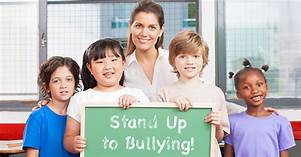
Bullying is something that is very prevalent in today’s society and thus teachers need to have a plan to tackle bullying in their classrooms and also in their schools. My plans and ideas surrounding bullying tend to air more on the side of prevention as opposed to dealing with it as it comes up. There are simple ways that we can teach about bullying in the classroom to help students understand that it is not okay and also to help them understand the steps that they should take should they encounter bullying in the school environment.
The first thing that I wish to do in my classroom is to teach my students explicitly what bullying is. If students know what different forms of bullying look like they are less likely going to take part in bullying. Simply talking about how mean names and mean comments are forms of bullying will allow children to understand what bullying really looks like because they need to understand it is not just physical. We can also teach students what to do if they see bullying. As a teacher we have one hundred and one things to do throughout the day so it is impossible for us to hear and see every conversation or interaction that goes on in the classroom. But if we teach students what bullying looks like and what to do when they see it then we can help them to become an active bystander.
Another way that we can reduce and eradicate bullying in our schools is by preventing cliques within individual classrooms and also school clubs and organizations. When we have students interact in groups with one another we should be conscious about who is working who. Splitting kids up into new groups will allow for the students to interact with others who they may not normally work with or interact with.
One last way to prevent any type of bullying in the school and classroom is to teach students about differences and talk about the importance of welcoming differences. Students need to understand that not everyone is going to be the same and not everyone is going to come from the same background. But they need to understand that it is okay for that to happen and we can do this by teaching about cultural differences within our class curriculum.
A friend of mine presented a classroom management strategy that spoke on using silliness within the classroom as a way to get students to stop and refocus. Hannah stated in her presentation, “Children need help learning to regulate their emotions. Model what it looks and sounds like to laugh about something funny for a few seconds and then to stop and refocus. For instance, after everyone laughs at something, you might say, “Oh, that was funny. Now, I’m going to take a few deep breathes to get myself focused back onto out discussion.”
It would not come to a shock to my friends and family that I am an outgoing, happy-go lucky, silly type of person. Thus, upon hearing this, I was ecstatic and overjoyed that people do see the importance of brining that silliness into the classroom. That is just how I am and have always been and I don’t intend to change that as I move out of my undergraduate experience into the real world teaching a classroom full of children experience. Now that being said, I do not wish to conceal my silliness deep down in my soul while I am at school. Instead I plan to move forward using my silliness in the classroom.
Throughout my time in school, I always found that the classes I enjoyed the most were the ones that the teacher was silly and liked to have a good time. Now, not saying that I enjoyed the teachers who were so focused on being silly that the class was lacking in content. Because I was also one of those kids who enjoyed learning. But when the teacher was more apt to laugh and make a joke every once in a while, I was more likely to enjoy going to their class. As a classroom teacher you must be able to find this boundary of enough silliness to where the students will still respect you as a teacher and learn from you but they will not take advantage of the silliness and be off task a good majority of each day.
I believe that Hannah was on to something because in her examples she was using silliness in a sense as to teach social skills. Being as no one is perfect, it is okay to laugh off a mistake here and there, however it is not okay to belly laugh on the floor in all situations. This is something that elementary students need to learn because not every situation they encounter is going to be a silly situation and they need to be able to laugh and refocus their attention back to the lesson or speaker or whatever they encounter.
Before students will feel one-hundred percent comfortable in their learning environment, positive teacher-student relationships need to be fostered and built. Building relationships is something that happens from the first time that one meets a student. But it will continue on through the rest of the interactions that the teacher and student share. There are a lot of things that teachers can do to create these positive relationships in the classroom.
For one, when communicating expectations, classroom teachers need to be positive and clear. If a teacher is going over the classroom expectations at the beginning of the year and they sound harsh and mean, the students are going to be reluctant to trust the teacher. However, if the teacher presents the expectations and rules in a positive and clear manner then the students are going to be very receptive of that. However, it is important to find a fine line with this because if one is too nice students may begin to walk all over the teacher. Thus, why it is very important to ensure that students know what is expected of them and that they also know what the consequences are for not meeting expectations.
It is also beneficial to classroom relationship building if when one is speaking to students they do so in a constructive and kind tone. Talking down to students and telling them that the way they solved the math problem is all wrong will only make the child resent talking to you. However, if when correcting a student, you apply all the things that they do correctly and then state what they could do to make it better then the student will appreciate that you are acknowledging what they did was close. This also makes it easier for the student to understand that it is okay to make mistakes in the learning process.
Building relationships in the classroom does not always have to be academic. It is okay to get to know your students outside of the classroom. Talk to them about their interests and their hobbies. Talk to them about their family and friends. Show them that you care about them as a whole child as opposed to them as just a student within your classroom. Greeting students at the door when they get there shows students that you care that they are there that day and that sets a great tone for learning and it is also something so simple that the teacher can do every single day. I think a lot of times as educators we get so caught up in making sure that our students are succeeding academically that we forget to show our students that we care about them outside of school. Showing students that we care about their feelings, makes them feel wanted and cared for and this makes them feel safe. When students feel safe they will learn. Reaching out to students when they seem sad, or mad, or excited and letting them explain their feelings will also help to establish this strong relationship.
Overall if our students do not have this sense of trust and security within the teacher, then they are not going to reach their full potential in the classroom. This student-teacher relationship goes so far in the classroom because when a student and teacher can trust one another and have this mutual care and respect for one another, the learning can only benefit. When this relationship exists, the student might be so excited to go to school just to see the teacher. These student-teacher relationships also spill over to parent-teacher relationships and those are also so very important to establish early on in the year.
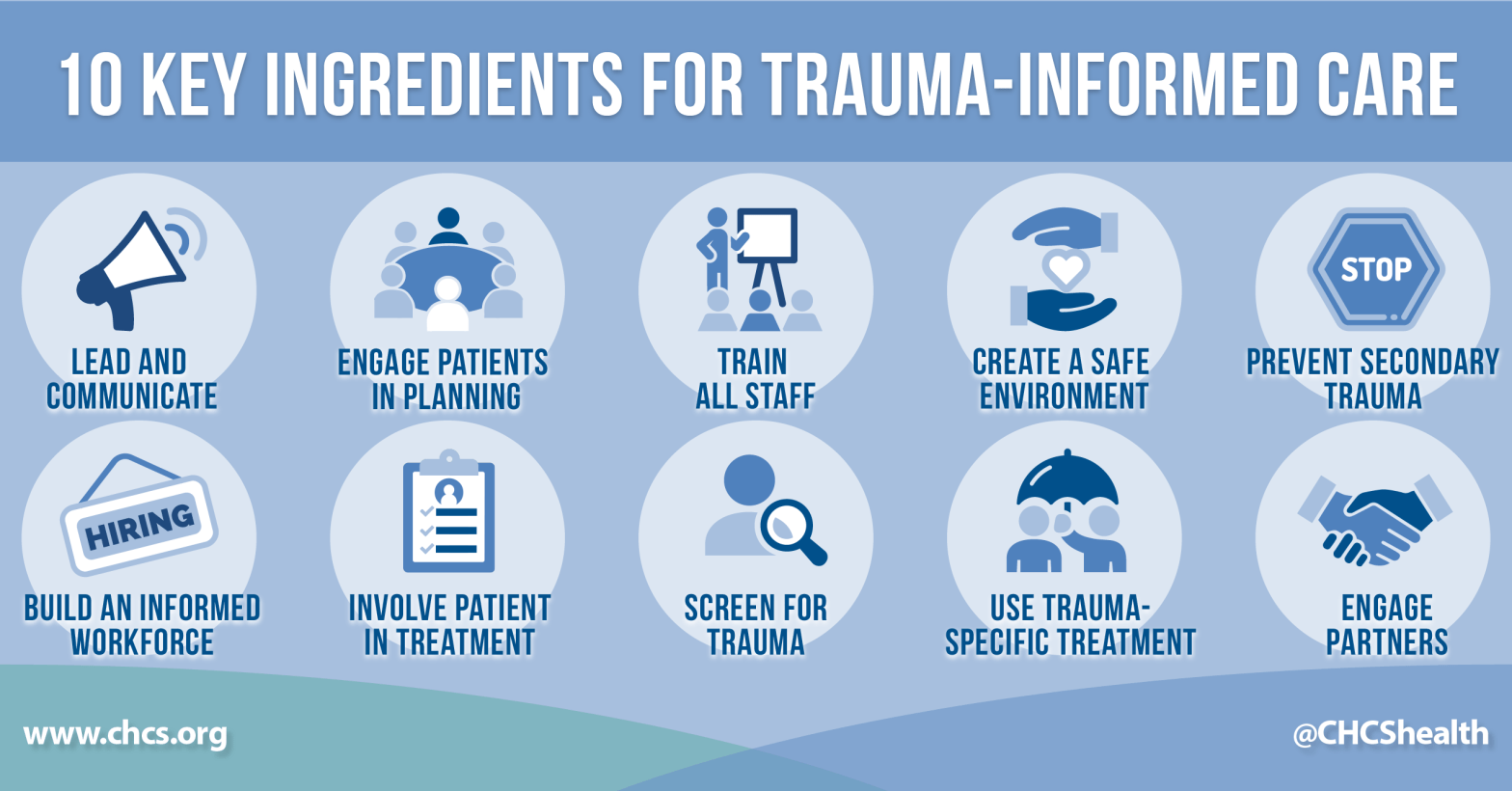
We never fully understand the extent of trauma that the children within our classroom will have gone through in their lifetime. Students come to us from all different kinds of backgrounds and walks of life. Some children could be eight years old and they could have had to wake their younger siblings up and get them ready for school. Some kids may endure extreme mental abuse every day from a parent. The possibilities are endless of what these children could endure on a daily basis, however we may never fully find out many of the underlying trauma events that a child has gone through.
If a student’s basic needs are not met at home, it will affect them within the classroom. Growing children need at least eight hours of sleep, proper nutrition and nurturing relationships in order to develop at a speed that is appropriate for their age. When these needs are not met, there could be a lot of negatives that come about. As teachers we have to watch for the signs that our student’s needs are not being met. For example, if Johnny comes to class everyday and acts out before lunch but then after lunch he is behaved and engaged, then maybe the function of his behavior is that he is hungry because he hadn’t eaten since lunch at school yesterday. Or maybe Emma is sleeping during a lesson because she wasn’t able to get eight hours of sleep because her parents were up all-night fighting and it was too loud for her to fall asleep. There are many many things that could be causing the behaviors that our students are presenting during class, and it is up to us to do what we can to help them.
When students come to our class, they simply want to feel safe. I mean that is a pretty standard human want. We do not want to be somewhere where we do not feel safe, that’s just human nature. There are simple things that can be done in the classroom to help secure a sense of safety within all of our students. First, we can create predictable routines. If students know what is coming next, they feel as though they have a sense of control and who doesn’t like that? Next, we can create conditions for calmness within the classroom. We need to create environments with natural lighting, neutral calming colors and warm, friendly tones. Lastly, as educators we need to create conditions where we praise in public and punish or reprimand in private. Students want others to know when they do something good, also basic human nature. However, when a child does something bad, they do not want other to know about it, thus the importance of talking to the student about this privately.
Ultimately, it is hard to know everything that a student is going through in their life. We won’t ever know everything. But we have them for seven hours a day and what we do with that seven hours could make a great impact on their life. But it is very important that we stay up to date on trauma informed research so that we can best serve our students within our classrooms.
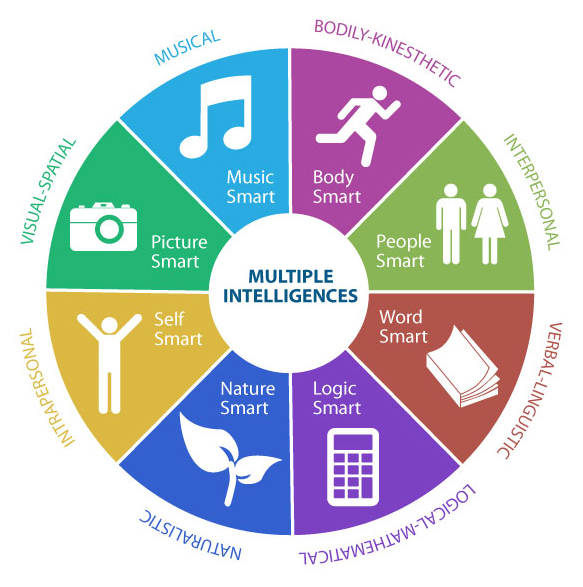
We all have ways that we prefer to learn. Maybe you like to learn by reading passages, maybe you like to learn by doing, or maybe you enjoy learning by listening to lecture or music or even watching videos on a topic. We all have those ways that we prefer to receive information. For me I prefer to learn by doing and this is how I retain a majority of the information that I come across. It is important to be mindful of the various learning styles and specifically what learning styles that the students in the classroom prefer.
When classroom goals and learning targets are met using a variety of different learning styles more students are going to be reached. Now, this does not go to say that every single lesson needs to include every single learning style. While possible, it would be very time consuming for the teacher and time is something that we do not have a lot of. Reaching the different learning styles is important, however we as educators need to keep ourselves from labeling the students as only being able to learn using that particular style. All students are capable in learning in ways that support and reach all learning styles however they tend to be stronger in one.
Learning style inventories, if anything, can help to ensure that students know and are aware of how they learn so that when they are studying or practicing, they can deepen their personal understanding of the content.
Differentiation has many common conceptions wrapped up with it. Most educators mistake differentiation as being changing content and learning goals for different students. When in its true from differentiation provides different learning activities to reach different learners and learner needs within one classroom. Differentiation also allows for students to be better engaged in learning material because they would be partaking in a wide range of activities instead of doing the same thing every single lesson.
I have attached a link to my personal favorite test for defining ones learning style.
Mission and vision statements are point blank hard. It’s very difficult to gather the goals and dreams of a program into a short three sentences that sum up the program as a whole. Now, I think that it is important for schools and classroom teachers to develop such mission statement so that they know and understand what their main purpose is every day that they come to school. However, it is nothing to get hung up on. People are not going to choose a program based on a mission statement, heck many proabably won’t even bother to look at it or read through it. But it is important for us to sit down and reflect on the values that we want our program to reflect through our mission statement.
Just a little while ago I was in a class that made me reflect on what values and ideals I wanted to uphold and foster within my classroom enviornment. A lot came to mind of course, honesty, compassion, respect, and kindness just to name a few. But then I started to reflect on how exactly I was going to accomplish this within my classroom. You see, I have always loves collaborative learning and I am a geek for hands on learning. This is when I realized that in my classroom these were two items that I would spend hours implementing in my class and through these items, I could reflect my values that I wanted foster.
Now the moment you’ve all been waiting for… my mission statement!
“In this classroom the mission is to build a collaborative learning community where young children can become better prepared for what is ahead. Through the use of collaborative learning, hands-on learning and play, children are challenged mentally and physically each and every day. Each day students will be provided with developmentally appropriate activities that will push them to be better learners, meaning children will only be asked to engage in learning and activities that are within the ability of the whole child, depending on their age and experiences.”
Now for a little debriefing. Collaborative learning and play were the two main pieces that I wanted to ensure were in my vision because they are the two things I feel very strong about. Through the use of collaborative learning we are giving students the tools that they need to work with one another and they are also discovering the learning on their own, at their own pace. Through the use of developmentally appropriate activites, I am showing the children that I respect where they are at and I am using this to guide the instruction.
I think it is important to note that not everyone has to agree with your mission statement. A mission statement is simply there to show what the program stands for and what they believe in. Mission statements are also a testament to a person and what they value. When creating a mission or vision statement it is first important to take a step back and reflect on the values and goals of the program, and then the mission statement can be constructed.
Social skills are quickly dwindling within the younger generations. The cause? Cellphones, tablets, tv, video games and the internet. All things are good in moderation, and the up and coming generation has not had a lot of moderation when it comes to interacting with these items. The children that will be coming into our classrooms could possibly be lacking in these social skills. We as educators have opportunities to teach social skills within our classroom. Wether we teach them in groups or individually we can help students understanding of socially acceptable behaviors.
We have to realize however, that children come to us from all walks of life. They will all have had different expereinces that shape them into who they are and how they act. Some will also come to us from different cultures, different cultures bring to us different social cues and norms. As an educator it is our job to realize that some kids will have different social skills and that is okay.
For those students who maybe have not been socialized or who simply lack the social skills we have to model for them and allow them to practice the skill for them to learn it. When we take the time to teach social skills that are lacking within teh students, we can better help our classroom management. When we teach students that it is not okay to speak while the teacher is speaking, we are teaching them social skills. When we model for them how to be kind and open doors for other students or teachers we are teaching them social skills.
For the students that come to us that are really struggling there are avenues that we can pursue. For example, the Social Skills Intervention Framework that I did my last blog post on provides students with explicit, indivdualized instruction of social skills that they are missing. Through the intervention we are able to help them gain the social skill and then through practice and modeling we help them integrate the skill into their every day lives. With social skills interventions however, it is important to integrate and tell the parents what you are doing with their parents. When they are educated and informed they are more likely to help integrate and instill the skills they are learning at home.
Students in the classroom lack social skills for many reasons. Just to name a few it can be a result of a simple lack of knowledge, lack of practice, lack of cues, and also lack of reinforcement. A lot of social skills are learned from the relationships that the child had with adults and their parents before they start school. It could even be seen that these children might be taught some social skills that could be inappropriate for school but very appropriate for the family and the culture they embrace.
The Social Skills Intervention is a tier 2 group-based intervention in which the aim is to teach and reinforce the correct social skills that students need moving forward with their education. Each of these interventions have the same type of setup and there are certain items that need to be in place before they can be implemented. For the interventions to be successful we need to have a good ratio of teachers to students. This is so the teachers can help to identify when a student presents a correct social skill. In these interventions it is also important to have peer models. Students learn social skills better when they have taught them from their peers. It is also crucial that there is home to school communication with the intervention that is happening. When parents are aware of what is going on, they can be a crucial part in the success of reinforcing the wanted social skills.
All social skills interventions need to have the following instructional steps:
Tell = Coaching
Show = Modeling
Do = Role Play
Practice = Rehearsal
Monitor Progress
Generalize & Maintain
In the world of early childhood education, social skills interventions are very important. They are also very applicable to young children because they need to have social skills in order to move forward in their schooling and in life. Modeling is also a great way for young children to learn because they can see an adult or peer performing the skills and then they can practice it on their own.
Lev Vygotsky, a Russian psychologist, fathered the Sociocultural Theory of Cognitive Development. In other words, Vygotsky believes that social learning comes before cognitive development and that cognitive development is in turn advanced by social learning. The theory comes about with three levels of cognitive development. The first level being total understanding. In this level students can perform specific tasks without any help from adults because they feel comfortable enough with their knowledge to carry out the task. The next level is the zone of proximal development. This is level where students can carry out a task with minimal help from the adult. This is where students best learn because they feel as though they are close enough to mastery and with just a little help, they can get there. The last level is where students cannot carry out a task, even with help.
When we are looking and thinking about classroom management, we could potentially see problems within the first and third level of Vygotsky’s model. Why? Because students are not actively engaged with the task or content at hand. If a child has already mastered a specific task, they no longer have to learn, thus they will be disengaged, and some behavioral issues could start to take place. Now, this isn’t saying that behavioral problems will come out of the children who master concepts quicker, because a lot of times this is not the case. Children who master the concepts the quickest a lot of times will continue to be on task. The real problems come out of the children in that third level of Vygotsky’s theory. The children that cannot get to mastery, even with help. When a concept or task is over the head of a child, they are going to be disengaged and causing problems. Thus, where classroom management comes in.
I think it is also important to note that the children that are in the zone of proximal development are going to receive the most scaffolding naturally by the teacher. Simply because with a little help they will reach mastery and they are much closer to understanding than the students who do not understand at all. With classroom management it is important that we are creating lessons and activities that keep students within this zone of proximal development because if the material is too easy or too hard to where they are in limbo within the other two zones, then we will lose the students and they will start to present these unwanted behaviors.
 Miss Trone