We never fully understand the extent of trauma that the children within our classroom will have gone through in their lifetime. Students come to us from all different kinds of backgrounds and walks of life. Some children could be eight years old and they could have had to wake their younger siblings up and get them ready for school. Some kids may endure extreme mental abuse every day from a parent. The possibilities are endless of what these children could endure on a daily basis, however we may never fully find out many of the underlying trauma events that a child has gone through.
If a student’s basic needs are not met at home, it will affect them within the classroom. Growing children need at least eight hours of sleep, proper nutrition and nurturing relationships in order to develop at a speed that is appropriate for their age. When these needs are not met, there could be a lot of negatives that come about. As teachers we have to watch for the signs that our student’s needs are not being met. For example, if Johnny comes to class everyday and acts out before lunch but then after lunch he is behaved and engaged, then maybe the function of his behavior is that he is hungry because he hadn’t eaten since lunch at school yesterday. Or maybe Emma is sleeping during a lesson because she wasn’t able to get eight hours of sleep because her parents were up all-night fighting and it was too loud for her to fall asleep. There are many many things that could be causing the behaviors that our students are presenting during class, and it is up to us to do what we can to help them.
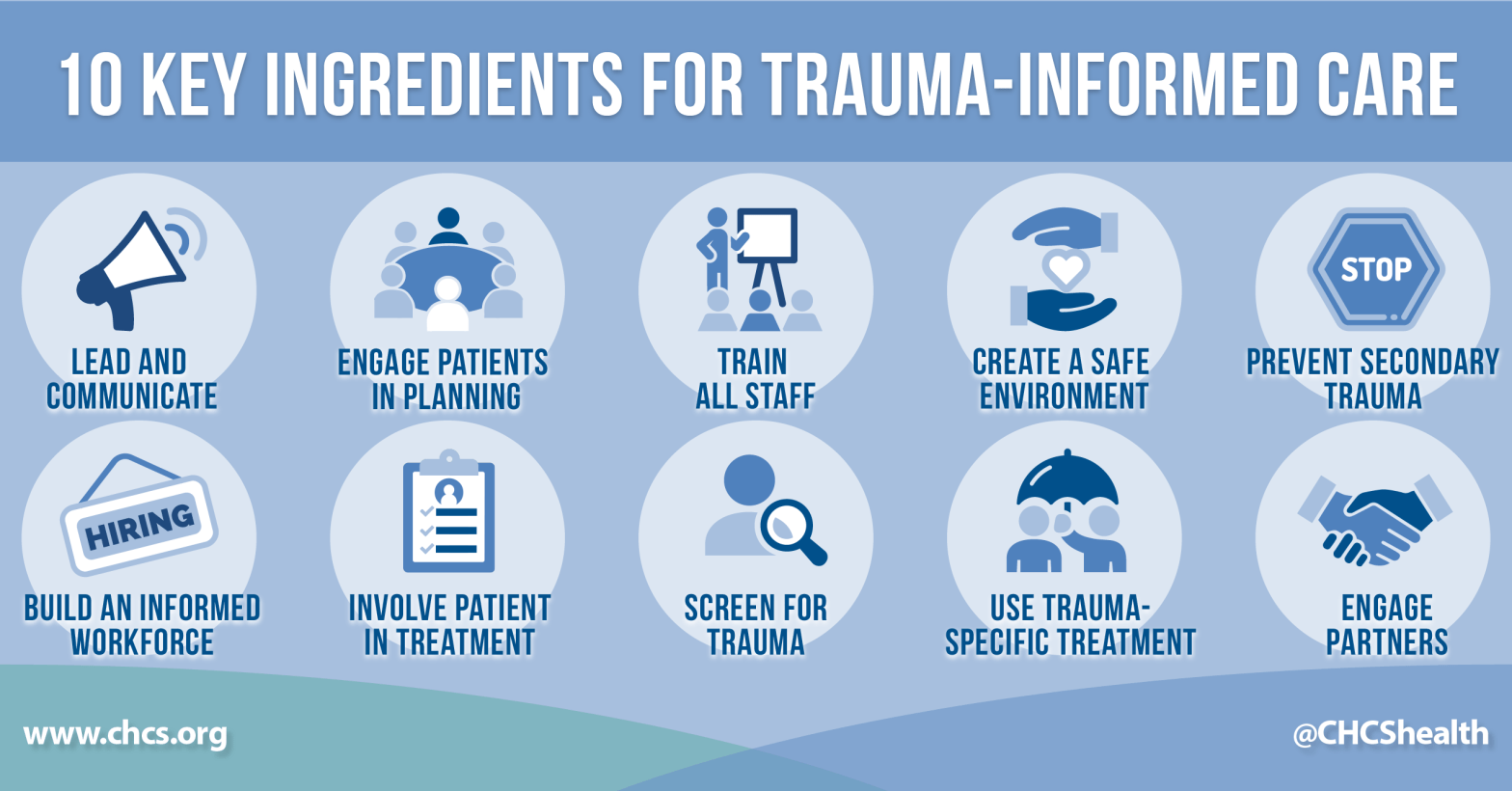
When students come to our class, they simply want to feel safe. I mean that is a pretty standard human want. We do not want to be somewhere where we do not feel safe, that’s just human nature. There are simple things that can be done in the classroom to help secure a sense of safety within all of our students. First, we can create predictable routines. If students know what is coming next, they feel as though they have a sense of control and who doesn’t like that? Next, we can create conditions for calmness within the classroom. We need to create environments with natural lighting, neutral calming colors and warm, friendly tones. Lastly, as educators we need to create conditions where we praise in public and punish or reprimand in private. Students want others to know when they do something good, also basic human nature. However, when a child does something bad, they do not want other to know about it, thus the importance of talking to the student about this privately.
Ultimately, it is hard to know everything that a student is going through in their life. We won’t ever know everything. But we have them for seven hours a day and what we do with that seven hours could make a great impact on their life. But it is very important that we stay up to date on trauma informed research so that we can best serve our students within our classrooms.
 Miss Trone