Classroom management. Two dirty little words that can make or break a first-year teacher. It is no doubt that classroom management is hard, being as every group of students is going to be different. No two groups of students are going to be effectively managed the same exact way from year to year. Different students are going to bring different behaviors to the table, and thus the teacher will have to adapt strategies to fit the needs of each students. But their does exist a certain baseline understanding on how to curb problem or unwanted behaviors within the classroom.
Colvin lays out seven key principles to behavior management. They are as follows:
1. Goals of correction procedures
2. The role of teacher attention in correction procedures
3. The nature of behavioral intensity, escalation and defusion
4. The nature of behavior chains
5. The role of behavioral extinction and extinction bursts
6. The power of personal reactions
7. Establishing fluent responses
To focus on principle one, I think it is extraordinarily important for all teachers to have goals surrounding how they want to deal with behavioral management in the classroom. Colvin outlines three main goals. The first goal being that of interrupting the problem behavior and redirecting the behavior. The second goal is to ensure that students perform the expected behavior in similar situations. And the third is to avoid escalation or acceleration of the problem behavior (Colvin, 6). I tend to air on the side where I think that there are better ways then calling out problem behaviors in front of the whole classroom for a few reasons. One, when calling out problem behaviors in front of the whole class precious class time in interrupted. And reason two being that embarrassing the child in front of their peers is sometimes not the answer we were searching for, and finally the student might want the attention from the teacher in hopes of becoming this sort of class clown figure. Colvin also recognizes that at times, calling out these students for the unwanted behavior actually causes more students to do the same behavior more often. However, I do believe these are intelligent and realistic goals for all teachers to build off of.
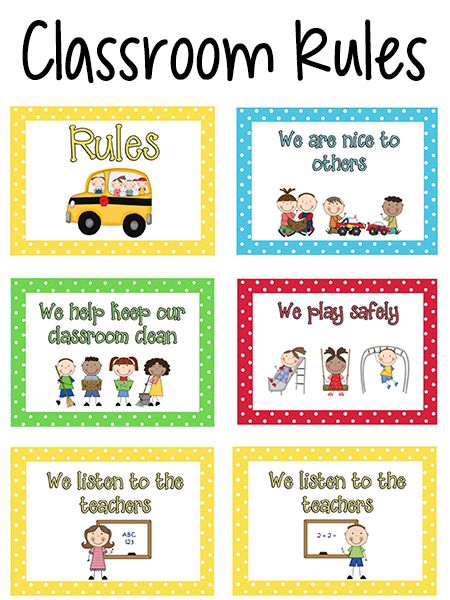
To me, and being an undergrad student with little experience with classroom management I would take what I say with a grain of salt, I would believe that a lot of classroom management comes from the first few weeks of school. When students first arrive within those first few weeks it is SO important that their expectations are laid out on the table. The conversation of “this is what I expect, and this is how I want it done” needs to take place. As well as the conversation of “this is what it would look like if a student was not following my expectations,” followed by everyone’s favorite of, “these are the consequences when my expectations are not followed.” Laying these rules and expectations out early will allow the students to understand what is acceptable and what is not and having the consequences laid out will make it much easier when the students stray from what is expected. I think with these to they need to be as explicit as possible, leave no room for imagination within the rules.
 Miss Trone